Water Damage Mitigation in Wilmington, NC
Water damage mitigation services involve the process of assessing and addressing damage caused by water intrusion in residential properties. This service covers a range of projects including flooding, burst pipes, roof leaks, and appliance failures that lead to excess moisture or standing water. Property owners typically seek mitigation to prevent further structural damage, mold growth, and deterioration of personal belongings. Understanding the scope of water damage, the extent of affected areas, and the necessary steps for drying, cleanup, and moisture removal are common concerns before requesting these services.
Homeowners should be aware that effective mitigation involves more than just removing visible water; it also includes thorough drying, dehumidification, and inspection to identify hidden moisture pockets. Clarifying which areas are impacted, the types of materials involved, and any potential health risks associated with mold or bacteria are important considerations. Proper mitigation can help restore the property’s integrity and reduce the risk of long-term issues, making it a critical step after water-related incidents.
Many property owners in Wilmington, NC look into Water Damage Mitigation for repairs, replacements, upgrades, and appearance-related improvements.
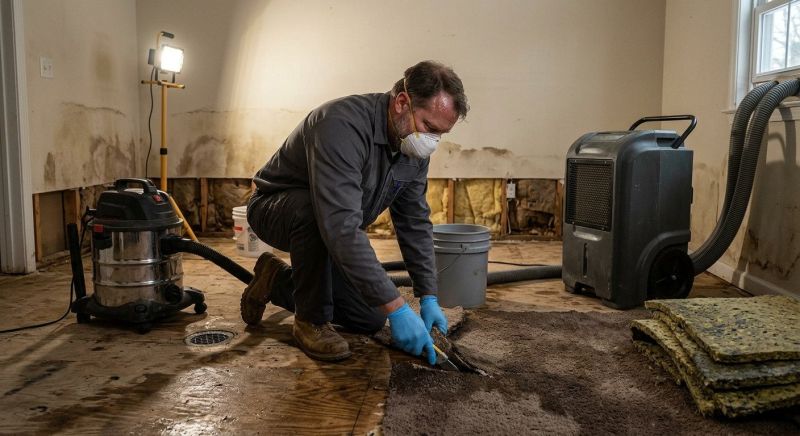
Water Damage Prevention
Proper mitigation helps protect your property from extensive water-related damage after leaks or flooding.
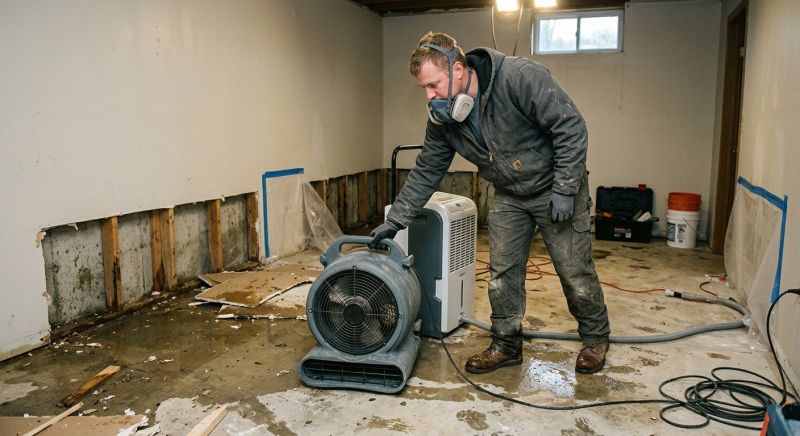
Structural Safety And Integrity
Addressing water damage promptly can prevent structural issues and preserve the stability of your home or business.
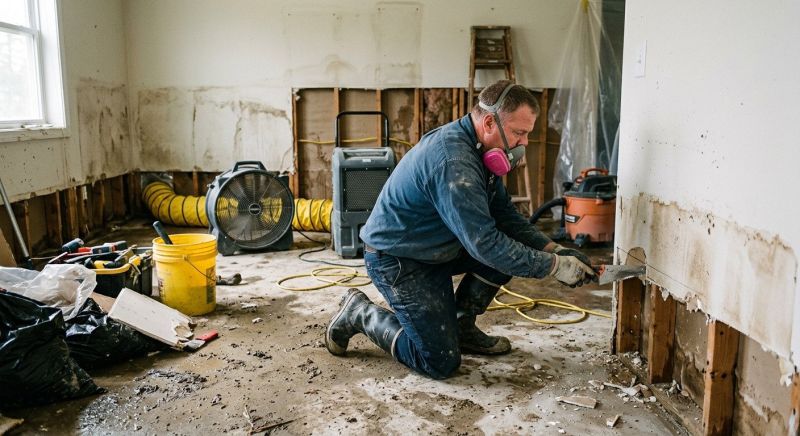
Mold And Mildew Control
Effective mitigation reduces the risk of mold growth caused by excess moisture in wilmington area properties.
Water Damage Mitigation in Wilmington, NC
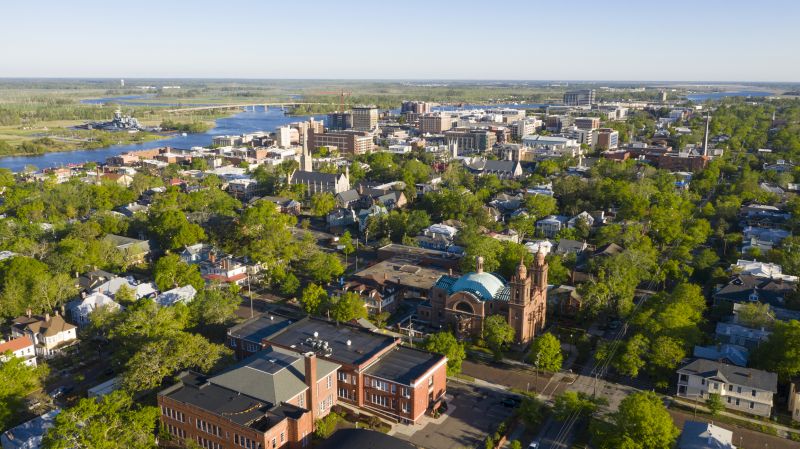
Water damage mitigation services involve the process of assessing and addressing damage caused by water intrusion in residential properties. This service covers a range of projects including flooding, burst pipes, roof leaks, and appliance failures that lead to excess moisture or standing water. Property owners typically seek mitigation to prevent further structural damage, mold growth, and deterioration of personal belongings. Understanding the scope of water damage, the extent of affected areas, and the necessary steps for drying, cleanup, and moisture removal are common concerns before requesting these services.
Homeowners should be aware that effective mitigation involves more than just removing visible water; it also includes thorough drying, dehumidification, and inspection to identify hidden moisture pockets. Clarifying which areas are impacted, the types of materials involved, and any potential health risks associated with mold or bacteria are important considerations. Proper mitigation can help restore the property’s integrity and reduce the risk of long-term issues, making it a critical step after water-related incidents.
Many property owners in Wilmington, NC look into Water Damage Mitigation for repairs, replacements, upgrades, and appearance-related improvements.
Common Water Damage Mitigation Jobs
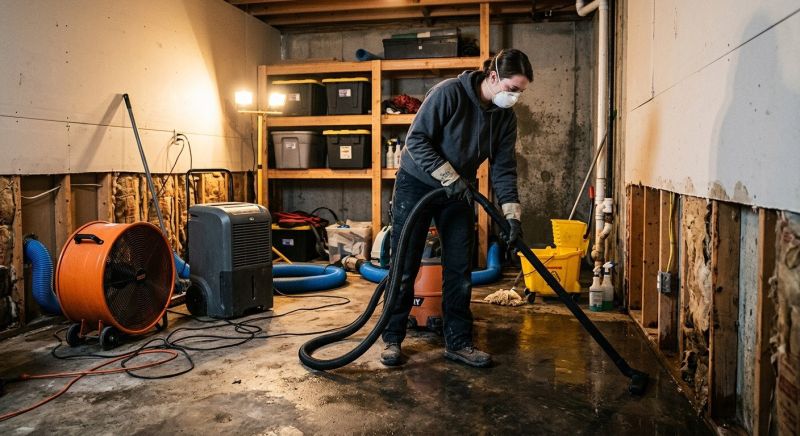
Water extraction - removing standing water to prevent further damage and mold growth.
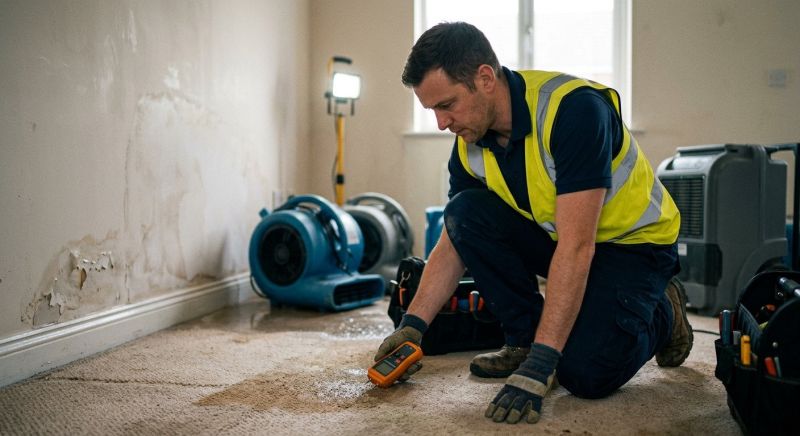
Structural drying - using specialized equipment to thoroughly dry affected building materials.
Mold remediation - eliminating mold spores caused by excess moisture after water intrusion.
Content drying - restoring or salvaging personal belongings and furnishings impacted by water.
Leak repair - fixing plumbing or roof issues that caused water intrusion to prevent recurrence.
Damage assessment - evaluating the extent of water damage to guide effective mitigation efforts.
Water Damage Mitigation Questions
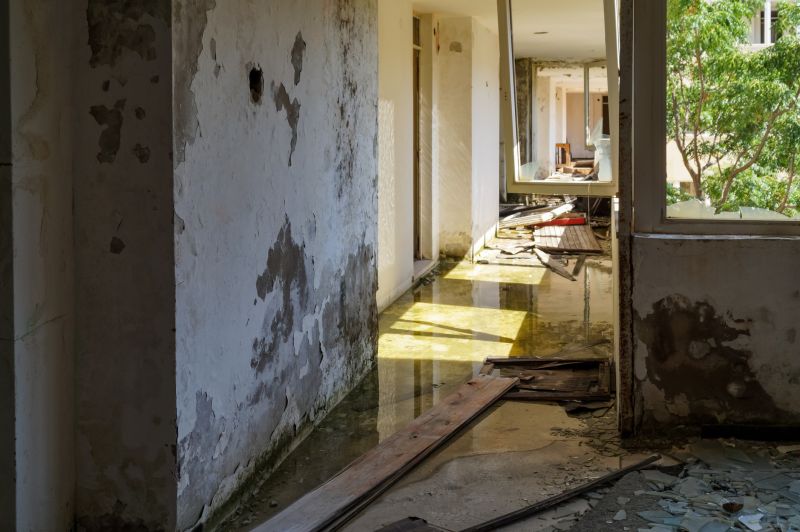
What is water damage mitigation? It involves steps to remove water and prevent further damage after a leak or flood, helping protect the property’s structure and contents.
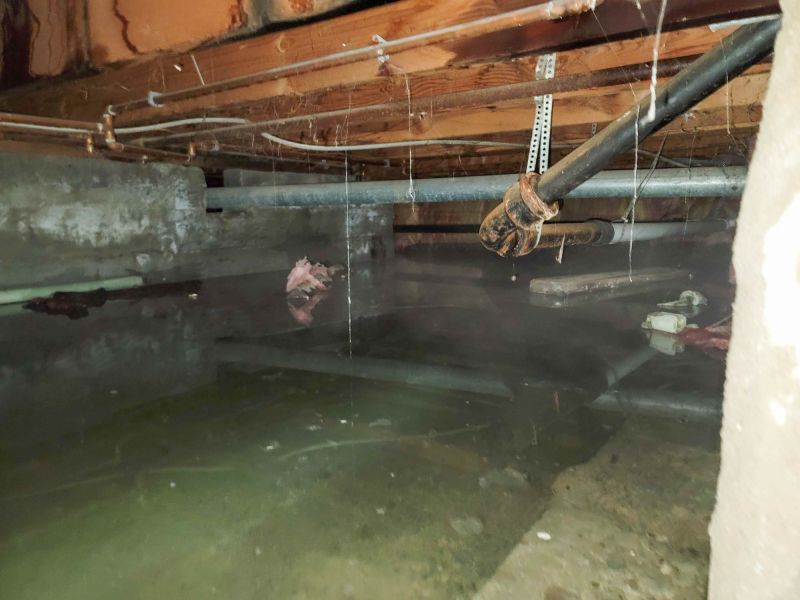
What types of water damage are addressed? Services cover damage caused by leaks, burst pipes, flooding, and sewage backups to restore affected areas.
Why is prompt water damage mitigation important? Acting quickly reduces the risk of mold growth, structural issues, and long-term property damage.
What areas are typically involved in mitigation services? Services often include drying out walls, flooring, and ceilings, as well as removing standing water and moisture.
Request Water Damage Mitigation in Wilmington, NC
Use the quote form on this page to share the basics of your project and request more information for the type of work you need.